How to Install a Plywood Flush Door in Malaysia: Step-by-Step Tutorial
Plywood flush doors are a popular choice in Malaysian homes and commercial spaces due to their clean look, affordability, and practicality. Whether you’re a homeowner renovating your space, a contractor managing a project, or a renovation company seeking reliable door installation techniques, understanding how to fit a flush door can save time and ensure lasting quality. This guide will walk you through each step of the installation process, so you can confidently handle your next plywood flush door project. For readers comparing options, Plywood Flush Door Malaysia is the main topic this guide explains.
What Is a Plywood Flush Door?
A plywood flush door consists of a simple, smooth surface made from plywood sheets bonded over a lightweight core, usually a solid blockboard or honeycomb structure. Unlike panel doors, flush doors provide a flat, modern appearance and are widely used for bedrooms, bathrooms, and internal partitions in Malaysian homes and offices. Their minimal design, easy maintenance, and cost-effectiveness make them a go-to solution for both residential and commercial properties.
Tools and Materials You’ll Need
- Plywood flush door (pre-sized or custom-made)
- Door frame (existing or new)
- Measuring tape
- Pencil and square
- Chisel and hammer
- Screwdriver or drill
- Wood screws
- Hinges (generally 3 for standard doors)
- Door handle and lock set
- Wood filler or sandpaper
- Level
- Paint or varnish (optional for finishing)
Step-by-Step Installation Guide
- Prepare the Door and Frame
- Check the door frame for any damage, warping, or irregularities. The frame must be sturdy and square for a proper fit.
- Measure the opening of the door frame accurately. There should be a gap of about 3mm at the sides and top, and 5-8mm at the bottom for smooth operation.
- If the plywood flush door needs trimming, use a saw to cut carefully along the marked lines, maintaining straight edges.
- Mark Hinge Positions
- Lay the door flat and mark the hinge positions, usually 150mm from the top and bottom, and the third hinge at the center for extra stability.
- Hold the door in the frame to transfer the hinge positions onto the frame for perfect alignment.
- Chisel Out Hinge Mortises
- Score around the hinge outlines using a sharp chisel and hammer. The depth should match the thickness of the hinge plate.
- Carefully chisel out the wood to create a recess for each hinge, ensuring a snug, flush fit against the door and frame.
- Attach the Hinges
- Screw the hinges onto the door first. Double-check that the hinge pins are aligned and facing outwards.
- Position the door in the frame and screw the other side of the hinges into the frame. Use a level to make sure the door sits vertically and opens without rubbing.
- Install the Handle and Lock Set
- Mark the desired height for the door handle, typically around 900mm from the floor.
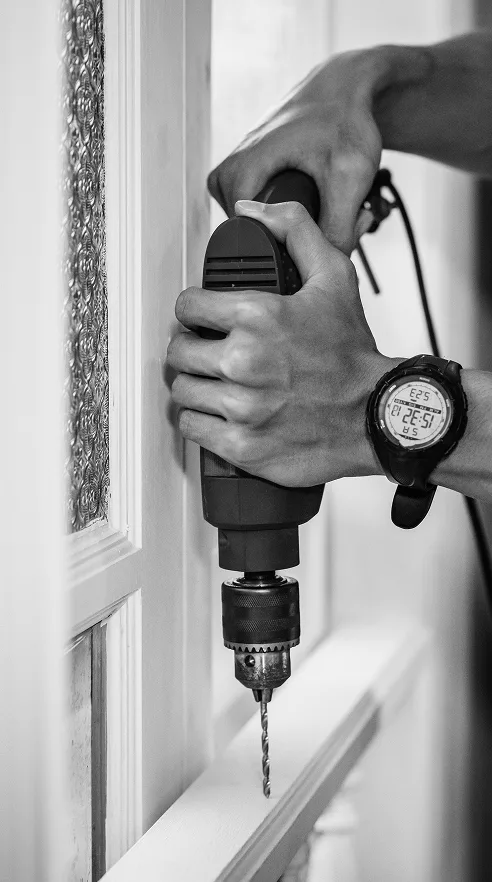
- Drill and chisel out the necessary holes for the handle and lock mechanism according to the manufacturer’s instructions.
- Fit the lock set and handle, making sure the latch aligns perfectly with the strike plate on the frame.
- Check and Adjust the Door
- Gently swing the door open and closed to check for smooth operation. If the door rubs, lightly sand the affected edges or adjust the hinges.
- Fill any screw holes or minor gaps with wood filler, then sand the surface smooth once dry.
- Finishing Touches
- If you prefer, apply paint or varnish for protection and a polished look. Allow to dry completely before regular use.
Tips for a Professional Result
- Always double-check measurements before cutting or drilling to avoid costly mistakes.
- Use good quality hinges and lock sets to increase the lifespan of your plywood flush door.
- Consider a fire-rated flush door for areas where extra safety and compliance are required.
- For high-traffic areas, opt for doors with durable cores, such as honeycomb or solid blockboard, for better stability.
When to Consult a Professional Door Supplier
While DIY installation is achievable for many, certain situations call for the expertise of a professional door supplier or installer. If you need custom sizing, specialist finishes, or installation in high-use commercial properties, working with an experienced Malaysian manufacturer ensures your door meets safety and durability standards. Reliable suppliers can also advise on options like fire-rated doors, panel doors, or honeycomb moulded doors for unique project requirements.
Common Mistakes to Avoid During Installation
Even experienced installers can encounter challenges when working with flush doors. Some frequent mistakes include inaccurate measuring, over-tightening hinge screws, and neglecting to check for level. Here are some ways to avoid these pitfalls:
- Incorrect Measurements: Always measure the frame and door at least twice before making any cuts. Use a reliable measuring tape and mark your lines clearly with a pencil and square.
- Improper Hinge Placement: If hinges are not aligned perfectly, the door may bind or fail to close properly. Mark hinge positions while the door is in the frame and double-check alignment before chiseling.
- Neglecting Frame Condition: Overlooking warped or damaged frames can lead to poor fits. Always inspect and repair or replace the frame as needed before starting installation.
- Skipping Sanding and Filling: Failing to sand edges or fill screw holes and gaps will result in an unprofessional look and may affect door performance over time.
- Ignoring Environmental Factors: Malaysia’s humid climate can cause wood to swell. Leave appropriate expansion gaps and consider sealing the door edges to prevent moisture absorption.
Comparing Flush Doors with Other Door Types
When selecting doors for your property, it’s helpful to compare flush doors with other common types used in Malaysian construction:
- Panel Doors: These doors have raised or sunken panels and often feature decorative moulding. While panel doors offer a classic look, they are typically heavier and more expensive than flush doors.
- Solid Core Doors: With a dense core, these doors provide better sound insulation and durability, making them suitable for high-traffic or noisy areas. However, they are heavier and may require stronger frames and hinges.
- UPVC Doors: These plastic-based doors are moisture-resistant and low-maintenance, ideal for bathrooms or outdoor use, but may lack the natural warmth of wood finishes.
- Honeycomb Core Flush Doors: These are a variation of the standard flush door, using a honeycomb structure for lightness and cost efficiency, yet still providing good strength for internal applications.
Flush doors strike a balance between minimalism, affordability, and ease of installation, making them a practical choice for most internal applications in Malaysian homes and offices.
Conclusion
Installing a plywood flush door in Malaysia is a practical project that enhances both residential and commercial spaces. By following these step-by-step instructions, you can achieve a secure, attractive, and functional doorway. For those who prefer expert support, reputable door manufacturers in Malaysia, like Sunstar Sdn. Bhd., offer complete door solutions including supply, customization, and professional installation to match your needs.
Get Professional Door Solutions in Malaysia
Ready to upgrade your home or project with high-quality plywood flush doors or other door types? Sunstar Sdn. Bhd. offers a wide selection of classic panel doors, flush doors, fire-rated doors, UPVC doors, and more—customized to your dimensions and style. Benefit from expert advice, manufacturing, installation, and after-sales support for any residential or commercial requirement.
Frequently Asked Questions
What is a plywood flush door and why is it popular in Malaysia?
A plywood flush door is a flat, smooth-surfaced door made from plywood sheets bonded over a lightweight core, such as honeycomb or blockboard. It is popular in Malaysia for its simple appearance, cost-effectiveness, and suitability for residential and commercial interiors.
Can I install a plywood flush door myself or should I hire a professional?
Many homeowners and contractors can install a plywood flush door with basic tools and some DIY skills by following step-by-step instructions. However, for custom doors, complex installations, or commercial projects, hiring a professional door supplier or installer is recommended.
What are the key steps to ensure a smooth plywood flush door installation?
Key steps include measuring the frame accurately, trimming the door for a precise fit, marking and chiseling hinge recesses correctly, securely attaching hinges, and properly installing the handle and lock set. Always check for smooth operation and finish with paint or varnish if desired.
Are plywood flush doors suitable for fire-rated applications?
Standard plywood flush doors are not fire-rated. For areas requiring additional fire protection, request a certified fire-rated flush door from a reputable supplier in Malaysia. These are specially constructed to meet building safety standards.
Where can I find reliable plywood flush door suppliers in Malaysia?
Look for established Malaysian door manufacturers or suppliers that offer a range of flush doors, panel doors, fire-rated doors, and installation services. Sunstar Sdn. Bhd. is one such company, providing complete door solutions for homes and commercial properties.
Get Professional Door Solutions in Malaysia
Ready to upgrade your home or project with high-quality plywood flush doors or other door types? Sunstar Sdn. Bhd. offers a wide selection of classic panel doors, flush doors, fire-rated doors, UPVC doors, and more—customized to your dimensions and style. Benefit from expert advice, manufacturing, installation, and after-sales support for any residential or commercial requirement.